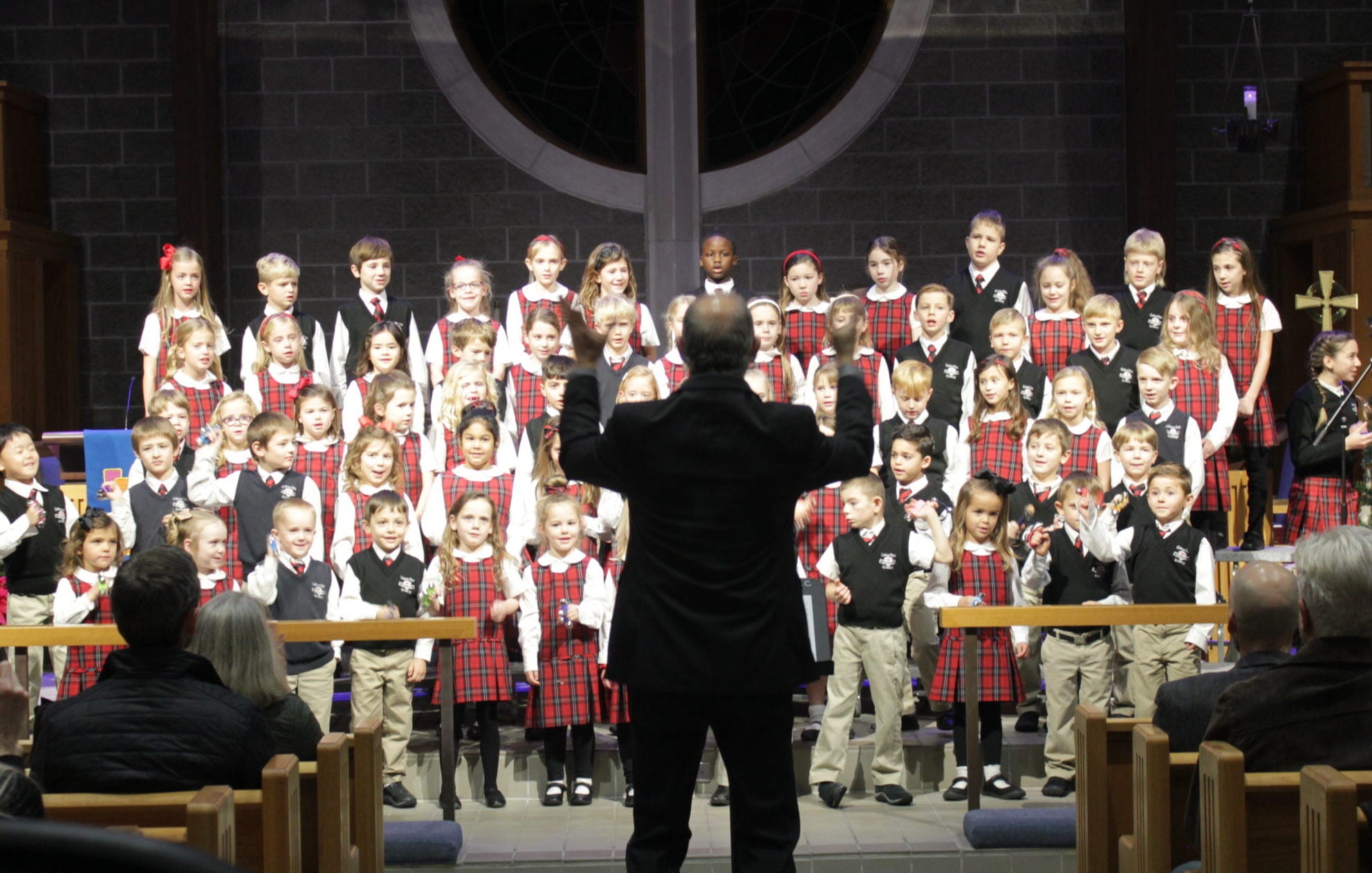
Often when considering worship, we can easily fall into the trap of believing that worship is always and only the songs we sing at church on Sunday. The worship team has practiced and prepared. The instruments provide a beautiful accompaniment. The congregation is led in singing. Some congregants will come prepared to sing with their hands extended in the air and their hearts fully surrendered and fully devoted to the object of their song. Some will come with heavy hearts or distracted minds, hardly engaged with the lyrics they are singing. Some will come and refuse to sing, whether it be from a sense of pride and disregard or from a place of shame and unworthiness. How do we break down our understanding of worship and the typical responses that rise up within us when we are called to worship? How do we restore worship as the very thing that connects us to the Almighty God?
Ponder this quote from Matt Redman, a well-respected worship leader and songwriter:
“Enter the unquenchable worshipper. This world is full of fragile loves – love that abandons, love that fades, love that divorces, love that is self-seeking. But the unquenchable worshipper is different. From a heart so amazed by God and His wonders burns a love that will not be extinguished. It survives any situation and lives through any circumstance. It will not allow itself to be quenched, for that would heap insult on the love it lives in response to.”
While one of the most effective evidences of worship is understood to be singing, worship is by no means limited to music alone. As Jimmy Needham’s thought-provoking song “Clear the Stage” puts it, “Worship is more than a song.” Yes, indeed. Worship is a heart posture. Worship begins as a reflection on and reverence for who God is and what He has done for us. But true worship cannot and does not remain hidden in the shadows of our thoughts. It requires us to meditate on the Lord and then respond by giving Him the praise and adoration He so clearly deserves. How do we see this response? Perhaps we can see it in our witness and open conversations with others as we testify to what the Lord has done. We see the response in how we faithfully serve the Lord in our local churches, dedicating time and energy to His mission without expecting anything in return. And then there’s the obvious. Singing. Dancing. Praising Him with music, the universal language that unites the hearts and minds of everyone involved.
The Bible has so much to say about worship in both the Old and New Testament. While it would be so worth our time to do a deep dive into that and seek to apply it to our lives, the main point of this blog post is to understand worship as it is expressed through song and to instill a heart of worship in the next generation. How do we do this?
Sadly, there are many obstacles that often successfully get in the way of achieving a true heart of worship amongst Christians. Difficulty in maintaining a pitch, physical disability, the inability to play an instrument, a distaste for a certain style of music, judgementalism, trials, or ensnaring sin are just a few reasons that might hold us back from effectively singing truths to the Lord and to each other. But we see a universal answer in Psalm 150: “Let everything that has breath praise the Lord!” Notice what it does not say. Let everyone who sings well praise the Lord. Let everyone who likes church music praise the Lord. Let everyone who feels happy and blessed praise the Lord.
In both Psalm 8 and Matthew 21, we conclude that God even uses the praises of infants and children to glorify Himself. Isaac Watts penned the words to an old hymn called “Jesus Shall Reign” back in 1719. The words still ring true today:
People and realms from every tongue
Dwell on His love with sweetest song
And infant voices shall proclaim
Their early blessings of His name.
Once we understand that we are without excuse when it comes to uniting and engaging with other believers in worship, we can then instill a desire and love for worship in our children. We do, after all, set the example in that regard, and what we do, they will most likely follow.
Here are some practical tips of how we can help raise a generation of worshipers, whether it be out of the home, in the classroom, or at church:
1. Make music and singing a normal part of life. For centuries, music and singing, specifically, served as one of the main methods of education. Children learned about their backgrounds, cultures, and beliefs through songs that were passed down from generation to generation. Music provides a sense of recognition and repetition that makes the content more memorable and sustainable. Why do you think the alphabet, books of the Bible, presidents of the USA, the fifty states, and the bones and muscles of the body (to name a few) are all usually connected to a tune or a rhythm? When children are young, their brains are like sponges, ready to soak up new information at lightning speed. As their loving guardians and shepherds, we have the opportunity to help cultivate a love for what is true, good, and beautiful. And one of the best ways to do that is through good music and heartfelt singing.
2. Pride must be extinguished. Did you know that it is most common for a child to grow up believing that they cannot sing if they have a parent who did the same? Regardless of the beauty of your voice, how much or how little you’ve been educated, or how much you enjoy singing to begin with, those feelings and preferences must be pushed aside to allow for our children to have a different and better experience. While I agree that not everyone is cut out to be leading from a microphone, I also believe that everyone is still called and compelled to worship through song. As point #1 stated, make singing a normal part of your life, your home, your classroom. Experience the joy and beauty of a unifying song, and don’t let your pride keep you from doing that. Pride is the very hindrance that causes us to look inward when we should be looking upward and outward.
3. Teach children the songs you want them to grow old with. It can be easy to let your children listen to the type of music that they enjoy all the time once you discover what that is. But in the same way that we do not allow our children to eat junk food all the time because it is what they want and like, we also don’t allow their passions to dictate our parenting choices in the realm of music. Play hymns and Christian songs that are packed with hearty truth. Even short and simple ones can be so meaningful and memorable! Play them in the car, your home, your classroom. Sing them at family worship or before you eat a meal together. Talk about the words together. Show your children that you enjoy this type of music as well. If you know what songs are going to be sung at church or in the school chapel, start listening to them and singing them at home! When a song begins at church that is familiar to your child, they will be so much more likely to engage and enjoy the participation. Find a balance between fun and exciting songs that will captivate your child and maybe some more meaty and thoughtful songs that are not necessarily easily understood right now but will be grown into as your child matures.
4. Always remind your children of why we sing and who it is for. Let them into the excitement and honor that we have to sing praises directly to the Lord who sits enthroned in heaven. The God who created the earth is moved and pleased when we sing to Him. Our friends, saved or unsaved, can learn about Jesus by our singing. Our family can realize new truths of what God has done for us by hearing us sing. Music provides an opportunity for us to create and give back to God when He has given so much to us. The conversation can be as simple as this:
Parent: Do you know why we sing?
Kid: No, why?
Parent: Because God has done so much for us, and singing is a way that we can give back to Him!
Kid: How are we giving back to Him?
Parent: The Bible says that it is how we tell others about Jesus, we can encourage others with songs about God, and it expresses our thankfulness to God!
While we understand that worship is a reverent and humble heart posture before God, we also must realize that it is an outward expression of that very heart posture. That is why worship is often linked to music and singing. If you are not a singer, take heart! Psalm 100 tells us to “Make a joyful noise unto the Lord!” God’s standard does not require perfect intonation; he calls for a joyful noise. And that is something we are all capable of.
If you are looking for some helpful resources that will help you in your own heart of worship and will give you guidance on how to effectively lead others in worship, I’ll list some of my favorites below:
Sing! How Worship Transforms Your Life, Family, and Church by Keith and Kristyn Getty
Worship Matters by Bob Kauflin
The Unquenchable Worshipper by Matt Redman
Hymns for a Kid’s Heart by Bobbie Wolgemuth and Joni Eareckson Tada